Leasing
Can I rent in Cape Royale before I decide to buy?
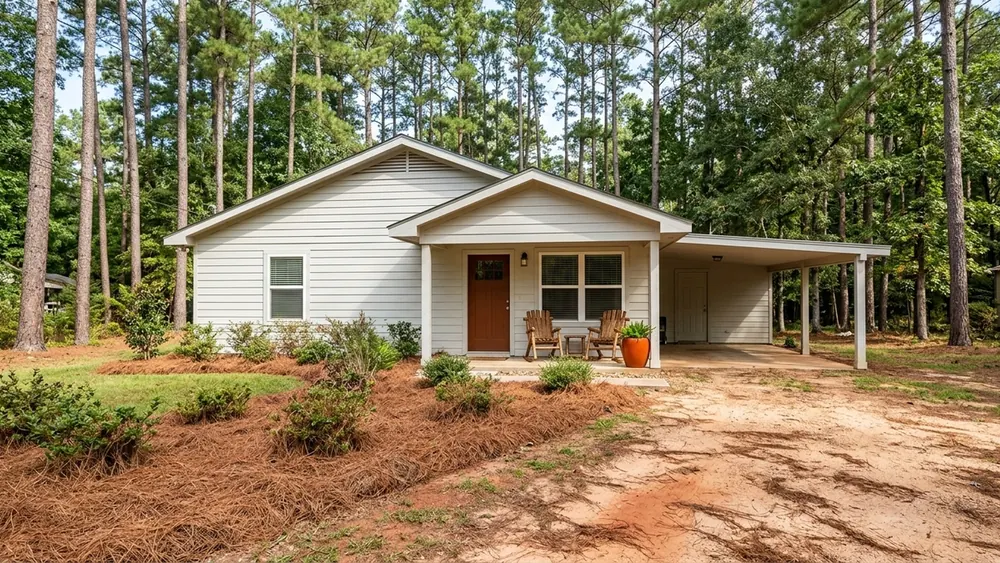
Yes. Renting first is a real option around Cape Royale, and it can help you learn the community before you commit to buying. Ask about renter rules, amenity access, and who handles repairs, then confirm every term in the actual lease.
On this page
Renting first is a real option
Yes, you can rent in Cape Royale before you decide to buy, when a home is offered for lease and the terms work for you. Renting first is a practical middle step. It gives you time to learn the community, the gate, the amenities and the routine of living on the San Jacinto County side of Lake Livingston before you sign a purchase contract. Many people use a lease to answer one question in particular: does daily life inside the gate suit them?
This matters because buying inside a gated lake community comes with more than a house. It comes with recurring maintenance fees, community rules, and utility providers named in listings, such as the Cape Royale Utility District for water and Sam Houston Electric for electricity. A lease lets you see how those pieces fit your life while the bigger decision stays open. Renting first means you meet those pieces as a resident, not only as a visitor on a showing.
Renting first is not the right step for everyone, and it is not a shortcut around homework. A lease has its own questions, and the answers belong to the actual lease and the community, not to a general article. The rest of this guide walks through what to ask, in what order, and who gives each answer. Use it as a starting list, then adjust it to the home or lease you are actually looking at.
What a lease can teach you
Think of a lease as a working trial. You are not only living in a home, you are gathering the answers you would want before buying in Cape Royale or anywhere else around Coldspring. Keep a simple notebook while you rent, and write down what you use, what surprised you, and what you would ask differently next time. Those notes become your buying checklist when you are ready to look at homes or lots.
- How often you actually use the marina, pool, tennis and pickleball courts during an ordinary week
- How gated entry works day to day for you, your guests, and your deliveries
- Which community rules matter to your daily routine and which ones rarely come up at all
- Whether a lot, a home in the community, or acreage outside it suits the way you live
Questions to settle before you sign
Before you sign a lease, ask the questions that shape your stay. Some are for the owner or the listing agent, some are for the community, and some only the written lease can answer. If a question touches legal rights or obligations, a real estate attorney can review it with you before you commit. Start with these, and write down who answered each one and when.
- Which community rules apply to renters, and where you can read the current version in writing
- Whether tenants get amenity access, and whether any access is limited or registered separately for renters
- Who pays the maintenance fees and each utility account while you live in the home
- Who handles repairs and upkeep, how you report a problem, and who responds
- How long the lease runs, how renewal works, and what the lease says about ending it early
How community rules shape a renter’s stay
In a gated community, a tenant lives under two sets of terms. The lease sets the agreement between you and the owner, while the community rules set what everyone inside the gate can and cannot do. Both matter, and they do not always say the same thing. Read them side by side before you commit, and mark anything that looks different between the two.
Community rules can touch things like guest access, parking, use of shared spaces, and how renters register with the community. Rules vary from one community to the next and change over time. Ask the community, in general terms the property owners association, for the current version, and ask the owner how they handle renter registration. Do not rely on what a neighbor remembers from a few seasons ago, however sure they sound.
If something in the lease seems to conflict with the community rules, pause before signing. Ask the owner how they read it, ask the community what applies to tenants, and take any remaining question to a real estate attorney. Clearing it up early is much easier than sorting it out after you move in. Write down what each person told you and when, so the answers are easy to find later if a question comes up again during the lease.
Using your lease to compare homes and lots
A lease puts you close to what is actually on the market. While you rent, you can look at lots, homes inside the community, and acreage nearby with the same set of questions each time, which makes them easier to compare. Fees are set lot by lot in Cape Royale, so a home a few streets away may carry a different figure. Ask the community for the current number on the exact property you are considering.
Renting also gives you room to compare a planned community with open land outside it. Neither option wins for everyone, and the right answer depends on what you want day to day. One side offers amenities and a gate with fees and rules, and the other offers more land with fewer community rules. Living inside the gate for a while helps you judge which of those trade-offs you actually care about.
I tell renters to keep a running list while they live here. What you use, what you skip, and what surprised you become the questions that guide your purchase.
When renting first may not fit
Renting first is useful, but it is not always the right step. Leases near the lake depend on what owners offer at the time, and the home you want to rent may not match the kind of home you want to buy, whether that is a different section of the community or a different type of property. You may also be looking at a lot to build on later, where a lease would teach you less about the decision in front of you. In that case, visits and a clear question list may teach you more than a lease would.
Your own situation matters too. Moving twice takes time and effort, and a lender can tell you how renting first or buying now fits your financing plans. If you are moving up from Houston, think about which questions you most need answered and whether a lease is the clearest way to answer them. Sometimes a few visits at different times and a careful question list do the same job.
Getting ready for a first conversation
You do not need a finished plan before you talk to anyone, and a short list of what you know and what you are unsure about is enough. Write down whether you are leaning toward a home inside a gated community, a lot, or acreage nearby, and whether you would rather rent for a while or buy sooner. Note any timing that matters to you, such as when a current lease ends or when you hope to move.
Then gather the questions this guide raised: renter rules, amenity access, gate entry, fees, utilities, repairs and the length of the lease. Note which ones only the community, the utility providers, the actual lease or a real estate attorney can answer. That keeps the conversation focused on your situation, not on general claims about the area around Coldspring and Lake Livingston. A clear list also makes it easy to see which answers you already have and which are still open.
When you are ready, bring that list to Jean. Jean is a licensed Texas real estate sales agent with RA Brokers, based in Coldspring, and can help you sort out which questions apply to the home or lease you are weighing and who else to call, whether that is the community, a utility provider or a real estate attorney. Which question about renting before buying would you want answered first?
This article is general information about buying, selling, and renting property around Coldspring, Cape Royale, and Lake Livingston, Texas. It is not legal, tax, lending, insurance, valuation or inspection advice and does not predict prices, rents or results. Confirm fees and rules with the community, service with each utility provider, flood zones with the official flood map and the county, county records with the appraisal district, lease terms in the lease, and financing with a lender. Jean Summers, RA Brokers.

Written by