Lots & Land
I inherited a lot near Lake Livingston. How do I sell it?
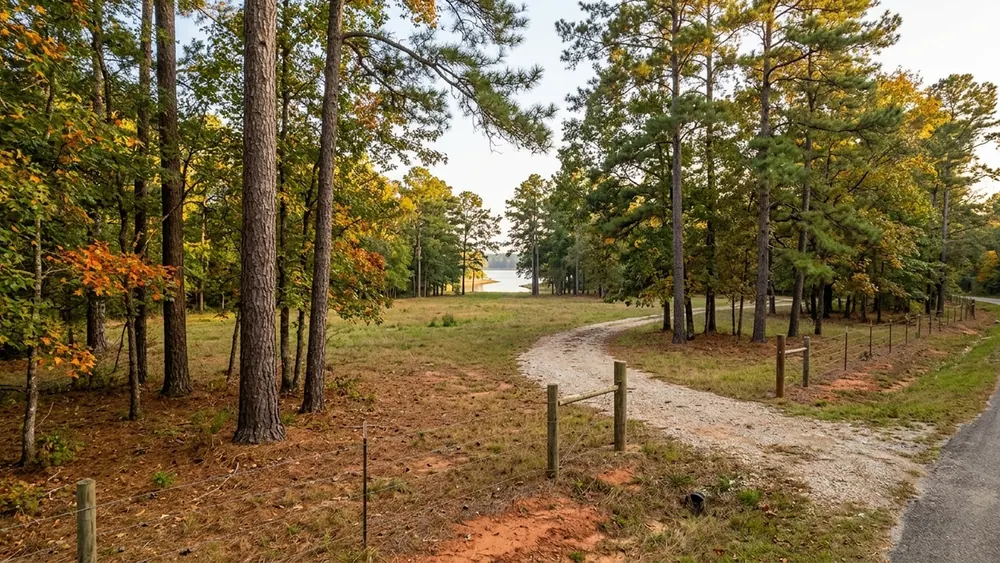
To sell an inherited lot near Lake Livingston, first confirm with a real estate attorney that you can sell it, then gather the answers buyers will ask about before you list: fees, utilities, flood zone, and county.
On this page
Selling an inherited lot, the short answer
To sell a lot you inherited near Lake Livingston, start by confirming you have the authority to sell it, then gather the facts a buyer will ask about before you list. A real estate attorney can tell you what needs to happen on the ownership side first. After that, the work is mostly about answers: the community fees and rules, water and electric service, the flood zone, and the county record for that lot.
This matters because an inherited lot often comes with less information than a lot you bought yourself. You may never have visited it, and you may not know what fees are owed or who provides service. Buyers will ask anyway. A seller who can point to clear answers from the right sources tends to have an easier conversation than one who has to say they will find out later.
The questions depend on where the lot is. A lot inside Cape Royale in Coldspring comes with community fees and rules, while a lot near the Trinity River may carry a flood designation buyers will want to understand. Open land around Point Blank or the Huntsville area raises its own questions, including which county the parcel sits in. This article walks through what to sort out, in a sensible order, whatever kind of lot you inherited.
Settle ownership before anything else
Before you can sell, the paperwork has to show that you have the right to. How that works depends on the estate, the other heirs, and the documents involved, and it is a legal question, not a real estate one. Talk with a real estate attorney first. They can tell you what has to be in place before a sale, and the order the steps usually go in.
If several family members inherited the lot together, ask an attorney whether everyone with an ownership interest needs to agree to the sale, and what that involves. It helps to talk early about what each person wants. Some families want to sell quickly and simply, and others want to understand the lot first. Either approach goes more smoothly when everyone is working from the same information.
Before you set a price on an inherited lot, find out what you actually own. Fees, service, flood zone, and county are the first things a buyer will ask me about.
What buyers will ask about the lot
Buyers looking at a lot near Lake Livingston tend to ask the same core questions: what the community charges and what the rules are, whether water and electric service is available, what the official flood map shows, and which county the parcel sits in. Having those answers ready, from the right sources, shows a buyer you have done the homework. It also helps them decide with fewer open questions.
For a lot inside Cape Royale, the community or property owners association can give you the current maintenance fee for that exact lot, since fees are set lot by lot. Ask whether any fees or balances are owed, because an inherited lot may have gone unattended for a while. Ask for the community rules too, so you can share them with buyers who want to know what they could build.
For service, listings in Cape Royale name the Cape Royale Utility District for water and Sam Houston Electric for electricity. Ask each provider what service is available to the lot. For land outside the community, ask whoever provides service in that area the same questions. You do not need to master any of it, but you should know who to point a buyer toward when the question comes up.
Flood zone and county records
Look up the lot on the official flood map before you list. A designation such as AE, which marks a higher flood risk area, can affect a buyer’s building plans, insurance, and financing. A designation is not a verdict on the lot, but buyers will ask, and some will need answers from an insurance agent or lender before they move ahead. Knowing the designation upfront lets you describe the lot accurately.
Confirm the county on the county appraisal district record, not just the mailing address. A Huntsville address, for example, can sit in San Jacinto County or in Walker County, and the county decides which appraisal district, offices, and services apply. The appraisal district record is also where you can see how the parcel is described. Ask the county or the appraisal district directly if anything on the record looks unclear.
Getting the lot ready to list
Once ownership and the basic facts are in hand, you can prepare the lot for buyers. Preparing land is different from preparing a house. There is no staging, but there is still work that makes a lot easier to understand and easier to show to someone who has never seen it. These are the steps worth considering before you list.
- Confirm the lot lines with a surveyor if the boundaries are unclear or undocumented
- Gather the community fee, the rules, and any balance owed, in writing
- Note what each utility provider said about service to the lot
- Record the official flood map designation and the county appraisal district record
You may also want to visit the lot, or have someone visit, to see how it looks today. An inherited lot that has sat for a while may need some attention before photos, and buyers often want to walk the land. Keep every answer and document in one folder. When a buyer asks a question, you can share what you have instead of starting from scratch.
Who to ask about each piece
Selling an inherited lot touches several offices and professionals, and each one answers a different part of the picture. Keeping their roles straight keeps you from relying on secondhand answers or guesses. Here is a simple reference you can use as you work through the list, starting with the ownership question and moving on to the details buyers will ask about.
| Question | Why it matters | Who to ask |
|---|---|---|
| Can I sell this lot? | Ownership questions come before a sale | A real estate attorney |
| What fees and rules apply? | Buyers want the fee for that exact lot | The community or property owners association |
| Is service available? | It affects what a buyer can do with the lot | The utility providers |
| What is the flood zone? | It can affect building, insurance, and financing | The official flood map |
| Which county is it in? | It decides the offices and appraisal district | The county appraisal district |
Keep the table handy as you make calls, and note the date and the person you spoke with next to each answer. Fees, rules, maps, and records change, so a buyer may ask you to confirm something again later. Having a record of who said what makes that easy. It also keeps you from repeating a detail that was only ever a guess.
Pricing an inherited lot without guessing
Pricing land is where many sellers want a quick number, and it is also where guessing causes the most trouble. A lot’s price depends on its specific facts, including its fees, service, flood designation, county, and whether it sits inside or outside a community. Gathering those facts first gives you a more grounded starting point. Jean has represented buyers in Cape Royale and in Point Blank, and has current listings of lots, acreage, and homes in Cape Royale and the Huntsville area.
Some pricing questions belong with other professionals. If you have questions about taxes on an inherited property, take them to a real estate attorney rather than relying on a listing. Do not assume a lot is worth what a nearby lot was listed for. Lots that look alike on a map can differ in the facts that matter most to buyers, so compare them on those facts.
First steps for selling your inherited lot
Before you talk with anyone about listing, write down what you know. Note where the lot is, how you came to own it, who else has an interest in it, and any paperwork you already have. Add any fee, service, flood, or county details you have found so far. Even a partial list makes a first conversation more useful, because it shows which questions are answered and which still need work.
When you are ready, bring that list to Jean to sort out which questions apply to your lot and what to tackle first. There is no rush and no pressure to decide anything in that conversation. Some sellers want to list soon, and others just want to understand what they have. Where is the lot you inherited, and which question about it feels least clear right now?
This article is general information about buying, selling, and renting property around Coldspring, Cape Royale, and Lake Livingston, Texas. It is not legal, tax, lending, insurance, valuation or inspection advice and does not predict prices, rents or results. Confirm fees and rules with the community, service with each utility provider, flood zones with the official flood map and the county, county records with the appraisal district, lease terms in the lease, and financing with a lender. Jean Summers, RA Brokers.

Written by