Leasing
What should a tenant ask about community rules and amenity access in a gated lake community?
Ask which community rules apply to renters, whether tenants get amenity and gate access, who pays fees and utilities, and who handles repairs. Get each answer in writing from the community and confirm it in the actual lease.
On this page
The short answer for tenants
Before you rent in a gated lake community, ask four things: which community rules apply to renters, whether tenants get access to the amenities and the gate, who pays the maintenance fees and the utilities, and who handles repairs. Get each answer in writing, from the community or the owner. Then make sure the actual lease says the same thing, so nothing depends on a conversation you may not remember later.
This matters because a tenant in a community like Cape Royale lives under two sets of terms at once. The lease covers your agreement with the owner, and the community rules cover everyone inside the gate. When the two line up, renting is simple. When they do not, you want to find out before you move in, not after you have unpacked.
This guide gives you a question list, not a rule book. Rules and terms vary from one community and one home to the next, and they change over time. The goal is to know what to ask, who answers each question, and what to write down, so you can sign a lease with a clear picture of your stay. That is especially useful around Lake Livingston, where each home and each community can come with its own answers.
Why both the lease and the rules matter
Start by asking the owner or listing agent for two documents: the proposed lease and the current community rules. Read them together, because the lease may say you can use the shared amenities while the community rules set their own conditions for renters. Only by reading both do you know what actually applies. Ask for the date on the version of the rules you receive, so you know it is current.
If you find a gap or a conflict, ask about it directly. The owner can explain how the lease is meant to work, and the community, in general terms the property owners association, can tell you what it allows for tenants. Any question about your legal rights under the lease goes to a real estate attorney, not to a neighbor or an online post.
Read the lease and the community rules side by side before you sign. If they say different things, ask the community and the owner, and get the answer in writing.
Getting through the gate as a renter
Gated entry is one of the first practical questions a tenant should ask about. Find out how you get through the gate as a renter, whether you need to register with the community, and how long setup takes. Ask what you need to bring, and who to call if your access stops working. Get those steps in writing from the community, so you are not relying on memory on move-in day.
Then ask about the people who visit you: how guests get in, and how deliveries and service visits are handled. If family or friends come often, ask whether there is a way to arrange regular access for them. These answers shape your daily routine more than almost anything else in a gated community. They are also easy to overlook during a short showing.
Write down the name of whoever answered each gate question and the date. Gate procedures can change, and a written note helps if questions come up later. If the lease mentions gate access, check that its wording matches what the community told you. A short written record of who told you what also helps the owner if anything needs to be cleared up with the community.
Which amenities a renter can use
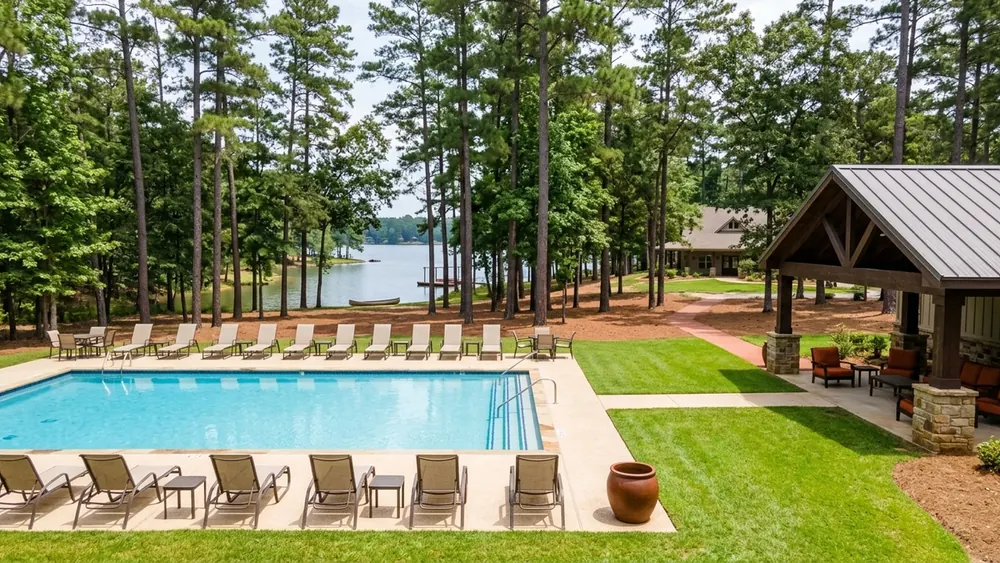
In Cape Royale, listings name amenities such as the marina, pool, tennis and pickleball courts, and gated entry. As a tenant, do not assume access to every amenity comes with the home. Ask the community whether renters can use each one, whether tenants register separately, and whether any amenity has different terms for renters than for owners.
Ask whether amenity access passes from the owner to you during the lease, and what happens to the owner’s access while you live there. Some communities handle this in their rules, and the lease may address it too. Get the answer for the specific community and the specific home, because practices are not the same everywhere around Lake Livingston. Write down what you learn for each amenity, so you can compare homes on the same terms.
Fees, utilities and who pays them
Money questions belong in writing from the start. Maintenance fees in Cape Royale are set lot by lot, so ask whether the owner or the tenant pays them during the lease. Utilities are a separate question, and listings name the Cape Royale Utility District for water and Sam Houston Electric for electricity. Ask about each of these before you sign.
- Who pays the community maintenance fees for the home during the lease
- Whether any amenity or access charges apply to tenants
- Which utility accounts move into your name and which stay with the owner during the lease
- How you set up service with each utility provider before move-in
No fee amounts or utility rates appear here, because they vary and change. Get current figures from the community and from each provider, and confirm that the lease matches what you were told. If something about payment responsibility is unclear, ask a real estate attorney to review the lease before you sign it. Keep copies of whatever the community and providers give you with your lease.
A tenant’s question checklist
Here is a simple checklist to bring to a showing or a call with the owner. Each row names a question, why it matters to a renter, and who gives the confirmed answer. Add your own questions as they come up, and note who answered each one. A printed copy is handy when you visit, because you can note answers right beside each row as you go.
| Question | Why it matters | Who to ask |
|---|---|---|
| Which rules apply to renters? | Rules shape daily life inside the gate | The community, in writing |
| Can tenants use the amenities? | Access may not pass automatically to renters | The community and the owner |
| How do I get through the gate? | Entry for you, guests and deliveries | The community |
| Who pays fees and utilities? | Avoids surprise bills during the lease | The owner and the actual lease |
| What are my rights under the lease? | Legal questions need a qualified answer | A real estate attorney |
This checklist works for a home in Cape Royale or any gated community you are considering near Coldspring. The questions stay the same, while the answers change from one community and one home to the next. That is why each answer should come from the source that can confirm it. Keeping the same checklist for every home also makes it easier to compare them fairly.
Repairs, upkeep and reporting problems
Ask who handles repairs and upkeep before you sign. The lease should say how you report a problem, who arranges the work, and what counts as the owner’s job versus yours. In a community, some upkeep, such as yard care, may also be covered by the community rules, so ask how those rules apply to the home you are renting and who to contact for each kind of issue.
Ask how the owner prefers to be reached and who responds if the owner lives a long drive from the lake. A clear answer here matters as much as the amenities. If any repair or maintenance term in the lease is unclear, ask for it in writing and take remaining questions to a real estate attorney.
Before you sign the lease
Gather the proposed lease, the current community rules, and your notes on gate access, amenities, fees, utilities and repairs. Compare them line by line. Mark anything that is missing, unclear or different between documents, and get those answers before you sign rather than after you move in. A careful read now saves you from guessing later, when changes are harder to make.
When you are ready, bring your list to Jean, a licensed Texas real estate sales agent with RA Brokers based in Coldspring. Jean can help you sort out which questions apply to the home you are weighing and who else to ask, from the community to a real estate attorney. Which part of the community rules would you like to understand first?
This article is general information about buying, selling, and renting property around Coldspring, Cape Royale, and Lake Livingston, Texas. It is not legal, tax, lending, insurance, valuation or inspection advice and does not predict prices, rents or results. Confirm fees and rules with the community, service with each utility provider, flood zones with the official flood map and the county, county records with the appraisal district, lease terms in the lease, and financing with a lender. Jean Summers, RA Brokers.

Written by