Lake Communities
Is a gated lake community like Cape Royale right for a full-time move from Houston?
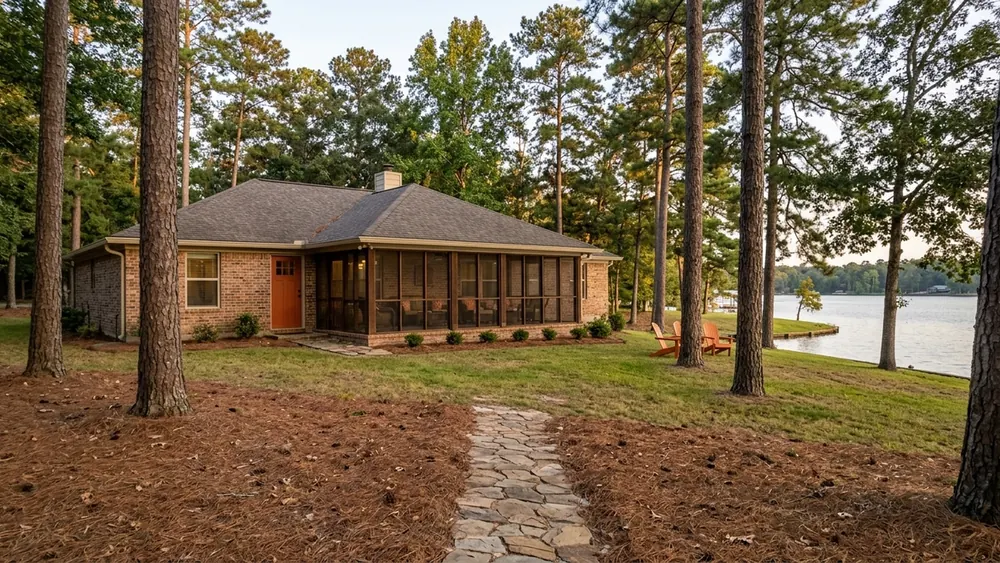
It can be, if the whole package fits your daily life: the home, the lot, the amenities, the lot-by-lot fees, the community rules, and the utility providers. Check each one for the exact property before you commit to a full-time move.
On this page
The short answer for a full-time move
A gated lake community like Cape Royale can work well for a full-time move, but only you can decide whether it fits, and only after you look at the whole package. You are not just buying a house near Lake Livingston. You are buying a home on a specific lot, with access to shared amenities, recurring maintenance fees, community rules, and named utility providers, all of which come together. Each of those pieces can be checked, and each has a clear source who can answer for it.
That matters more for a full-time move than for a getaway. When the lake house becomes your only house, every detail of the package touches your ordinary week: the fee you pay, the rules you live under, who you call when the water or power goes out, and which county handles your records. A home that felt easy on a visit can feel different once it is your daily address. That is why a full-time move deserves a slower, more careful look at the details than a weekend visit usually gets.
So the useful question is not whether gated lake living is right in general. It is whether this home, on this lot, inside this community, fits the way you actually live. That question has concrete answers, and most of them come from sources you can contact before you sign anything. The rest of this article walks through them in a practical order.
What the package in Cape Royale includes
Listings in Cape Royale describe amenities such as the marina, the pool, tennis and pickleball courts, and gated entry. They also describe maintenance fees that are set lot by lot, water from the Cape Royale Utility District, and electricity from Sam Houston Electric. Treat each of these as a fact about the community to confirm for the specific property, not as a promise. Here is what to ask about each piece.
- Which amenities come with this lot, and what access rules apply to residents
- What the current maintenance fee is for this exact lot, confirmed by the community
- Whether water and electric service are active at the home, confirmed by each provider
- Which community rules cover the home, the lot, guests, vehicles, and changes to the property
Questions that matter more when you live there
A full-time move from Houston changes what you need to know, because you will rely on the home every day rather than now and then. Some questions that seem minor on a tour become central once the lake is your permanent address. Before you commit, write down an answer for each of these, along with who gave you that answer and when. Keeping that record makes it easy to go back to the right source if anything changes before closing.
- Which county the property sits in, confirmed with the county appraisal district
- Whether the lot shows any flood zone designation on the official flood map
- How insurance for the home might work, discussed with an insurance agent
- How financing a full-time residence here would work, discussed with your lender
- What condition the home is in, checked by a home inspector before closing
Assumptions that cause surprises after a move
One common assumption is that every lot in a community carries the same fee. In Cape Royale, listings describe maintenance fees as set lot by lot, so the figure for one home tells you nothing certain about another. Ask the community for the current fee on the exact lot you are considering, and ask what that fee supports, before you compare homes on price alone. Two homes that look similar on paper can carry different fees, and that difference adds up over the years you live there.
Another assumption is that utilities in a lake community work the way they did in the city. Listings name the Cape Royale Utility District for water and Sam Houston Electric for electricity. Each provider is the right source for service details, rates, and any connection questions. Call them directly about the specific address, because a listing description is a starting point and not the official answer.
A third assumption is that a gate and a set of amenities mean no rules to learn. A gated community usually comes with community rules, and those rules can shape what you can change about a home or a lot. Read the current rules from the community or property owners association before closing, and note anything you are unsure about so you can raise it with a real estate attorney. It is far easier to ask a question before closing than to learn the answer after you have moved in.
Seeing the community as a resident would
A tour on a single afternoon shows you the house, but it may not show you the routine. If you can, visit Cape Royale at different times and on different days, and picture an ordinary week rather than a holiday. Walk past the amenities you expect to use and ask how residents get access to them. The goal is to see the package as someone who lives there, not as a guest.
It also helps to separate the view from the details. A lake setting can make it easy to skip the paperwork, and that is exactly when surprises slip in. Keep a simple list for each home you see: the fee for that lot, the utility providers, the flood map result, the county, and any rule that affects your plans. Comparing lists is calmer than comparing impressions.
I always say the same thing to people moving up from the city: before you fall for the view, ask what the fees, the rules, and the utilities look like for that exact lot.
When open acreage might fit you instead
A gated lake community is one option, not the only one. Around Lake Livingston, some buyers find that a few acres outside town, such as around Point Blank, suits them more than a planned community. The tradeoff is roughly this: amenities, gates, fees, and community rules on one side, and more land with fewer community rules on the other. Neither option wins for everyone.
Jean has represented buyers in Cape Royale and in Point Blank, so both settings are familiar starting points for a conversation. Whichever you lean toward, ask the same questions of every property: fees, utilities, flood zone, and county. A side-by-side list for each property will tell you more about fit than a general opinion about which type of place is right. The choice that fits is simply the one whose answers match your plans and your ordinary week.
What to gather before your first conversation
Before you talk with an agent, write down what a full-time move needs to give you. Note how you want to spend an ordinary week, which amenities you expect to use, and whether you would rather have community amenities or more land. Add any homes or lots you have already seen in Cape Royale or nearby, even if you only saw them online. Note what drew you to each one and what made you hesitate, because both reactions point to questions worth asking.
Then list the questions you cannot answer yet, such as who provides water and power at the address, what the current fee is for the lot, whether the official flood map shows a designation, and which county handles the records. A short list like that turns a big decision into a series of smaller ones, each with a clear source to confirm it. You do not need every answer before you start, only a clear idea of which ones are still open.
If you are weighing a move from Houston to a gated lake community, bring that list and the property you are curious about to Jean. The aim of a first conversation is simply to sort out which questions apply to that home and who should answer each one, at whatever pace suits you. Which home or lot are you looking at right now?
This article is general information about buying, selling, and renting property around Coldspring, Cape Royale, and Lake Livingston, Texas. It is not legal, tax, lending, insurance, valuation or inspection advice and does not predict prices, rents or results. Confirm fees and rules with the community, service with each utility provider, flood zones with the official flood map and the county, county records with the appraisal district, lease terms in the lease, and financing with a lender. Jean Summers, RA Brokers.

Written by