Lake Communities
Weekend place or full-time home at the lake: what changes in the search?
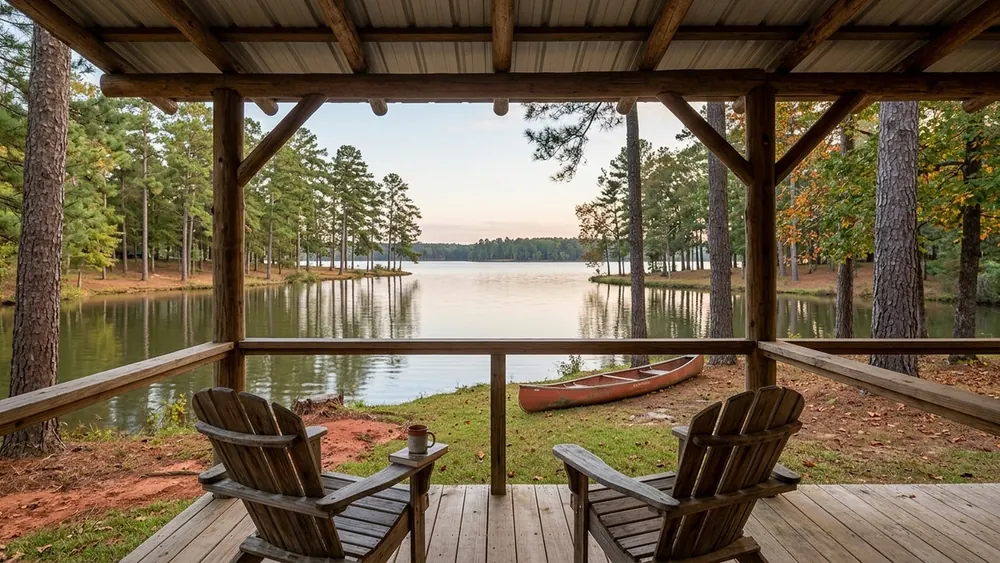
Whether a lake home is a weekend place or a full-time home changes which questions come first: how fees, utilities, insurance, financing, community rules, and upkeep fit the way you will actually use the property.
On this page
How your plans change the search
Deciding between a weekend place and a full-time home changes the order of your questions more than the questions themselves. Either way, you still need to know the fees for the lot, the utility providers, the flood zone, and the county. What shifts is which of those matters most, and how financing, insurance, upkeep, and community rules fit the way you will use the home.
This matters because a home that works well as an occasional getaway may not fit daily life, and the reverse can be true too. Around Lake Livingston, in places like Cape Royale, each property carries its own set of details. Knowing how you plan to use the home lets you check the details that will affect you most, before you commit. It also saves time, because you can set aside homes whose details clearly do not fit your plans.
So start by being honest about your plans. Will you be there most days, a few days a month, or somewhere in between? Might the use change over time, or might you lease the home for part of the year? Your answers shape which questions you raise first, and which professionals you should talk to early in the search.
Starting with how you will live there
A full-time home asks more of the property every day. You will rely on its utilities, its condition, and its access to the things you need for an ordinary week. A weekend place asks different things: how easy it is to leave the home empty, who can check on it while you are away, and how community rules treat owners who are not there often. Both sets of questions are reasonable, and both deserve answers before you buy.
Neither use is right or wrong, and the same home can suit either one. The difference is in what you check first. A buyer planning a full-time move might start with utilities and condition, while a buyer looking for a getaway might start with fees, rules, and upkeep while the home sits empty. Writing down your intended use keeps the search focused.
Tell me how you plan to use the place, most days or a few weekends, and I’ll help you figure out which questions about that lot or home need answers first.
Fees and rules from both angles
Community fees apply whether you are there every day or once a month. In Cape Royale, listings describe maintenance fees as set lot by lot, so ask the community for the current figure for the exact lot. A weekend owner pays for amenities whether or not they use them often, so it helps to know what the fee supports, such as the marina, the pool, courts, and gated entry.
Community rules can also land differently depending on your plans. A full-time resident may care most about rules on changes to the home or the lot. A weekend owner may care more about rules on guests, leasing, or how the home is kept while empty. Ask the community or property owners association for the current rules and read them with your own plans in mind.
If anything in the rules affects how you hope to use the home, write it down and get it answered before you commit. A real estate attorney can explain what a rule means for your situation. Rules change over time, so the version that matters is the current one, confirmed with the community for the property you are considering.
Insurance and financing questions that shift
How you plan to use a lake home can affect how insurance and financing work, and those are questions for professionals, not for a listing. Tell your lender plainly whether the home will be your primary residence or a second home, and ask how that changes your options. Do this early, because the answer can shape which homes make sense to pursue.
Insurance works the same way. Talk to an insurance agent about the specific property and how you intend to use it, including whether it will sit empty at times. If the lot shows a flood zone designation on the official flood map, raise that with the insurance agent and the lender as well. Each professional gives the official answer for their part of the decision.
Utilities and upkeep when you are away
Utilities and upkeep look different when a home is used full time versus now and then. For a home in Cape Royale, listings name the Cape Royale Utility District for water and Sam Houston Electric for electricity. Ask each provider about service at the address. Then think about who handles small problems when you are not there, and note these early questions.
- Who provides water and electricity at this address, confirmed by each provider
- Who can check on the home and handle repairs while you are away
- What condition the systems are in, based on a home inspection
- Whether community rules cover how an empty home must be kept
None of these have one right answer, and they vary from home to home. A full-time owner may handle upkeep personally, while a weekend owner may need a plan for the weeks the home sits empty. Writing those plans down before you buy helps you compare homes on how they will actually work for you, not just on how they look.
A comparison table for either path
The table below shows how the same questions read differently depending on your plans. Use it as a starting list, then add your own questions for each home you see. Fill in who answered each question and when, so you can return to the source if something changes later. Keep the table with your notes for each home, and update it as answers come in from the community, the providers, and your lender.
| Question | Full-time home | Weekend place |
|---|---|---|
| Community fees for the lot | Weigh against amenities you will use daily | Weigh against how often you will visit |
| Utility service at the address | Confirm reliable daily service with each provider | Ask providers about service while the home sits empty |
| Insurance for the home | Describe full-time use to an insurance agent | Mention periods of vacancy to an insurance agent |
| Financing the purchase | Ask your lender about a primary residence | Ask your lender about a second home |
| Community rules | Focus on changes to the home and lot | Focus on guests, leasing, and upkeep while away |
Two people can look at the same home and fill in this table very differently. That is the point. The table does not pick a winner. It shows which details deserve your attention first, given how you plan to live, and it gives you a clear source to confirm each answer before you make an offer.
When plans might change over time
Many buyers start with a weekend place and later think about living at the lake full time, or the other way around. If that might happen, check the details that matter for both uses now. Ask how financing and insurance would work if your use changed, and ask the community whether any rules would apply differently to a full-time resident.
Some owners also consider leasing a lake home for part of the year. If that is part of your thinking, ask the community about its rules on leasing before you buy, and take any lease questions to a real estate attorney. No rent or income is promised here, and the actual rules for the property are the ones that count.
What to write down before you start
Before a first conversation, write down how you plan to use the home now and how that might change. Note the amenities you expect to use, how often you will be there, and who could look after the home while you are away. Add any homes or lots in Cape Royale or elsewhere around Lake Livingston that caught your eye.
Then bring that list to Jean, along with the property you are curious about. A first conversation is about sorting out which questions apply to that home given your plans, and who should answer each one. There is no rush, and no need to have every answer first. Are you picturing a place for weekends, a home for every day, or something in between?
This article is general information about buying, selling, and renting property around Coldspring, Cape Royale, and Lake Livingston, Texas. It is not legal, tax, lending, insurance, valuation or inspection advice and does not predict prices, rents or results. Confirm fees and rules with the community, service with each utility provider, flood zones with the official flood map and the county, county records with the appraisal district, lease terms in the lease, and financing with a lender. Jean Summers, RA Brokers.

Written by