Lots & Land
What should I check before buying a lot in Cape Royale?
The short answer
Before buying a lot in Cape Royale, confirm the current maintenance fee and rules for that exact lot, water and electric service with each provider, the flood zone on the official map, and the county record.
On this page
What to check first on a Cape Royale lot
Before you buy a lot in Cape Royale, check five things for that exact lot: the current maintenance fee, the community rules, water and electric service, the flood zone, and the county record. Each one is set or confirmed by a different source, and each can change from one lot to the next. Get the answers from the people responsible for them, in writing where you can. Then you can compare lots on facts instead of on the view from the road.
This matters because a lot is a different purchase than a house. There is no kitchen to inspect and no roof to judge, so the important details are mostly on paper. A lot that looks just like its neighbor can carry a different fee, a different set of service questions, or a different flood designation. Sorting those out early is how you avoid a surprise after the purchase, when the answers are harder to act on and the choices you have left are narrower than they were before you signed.
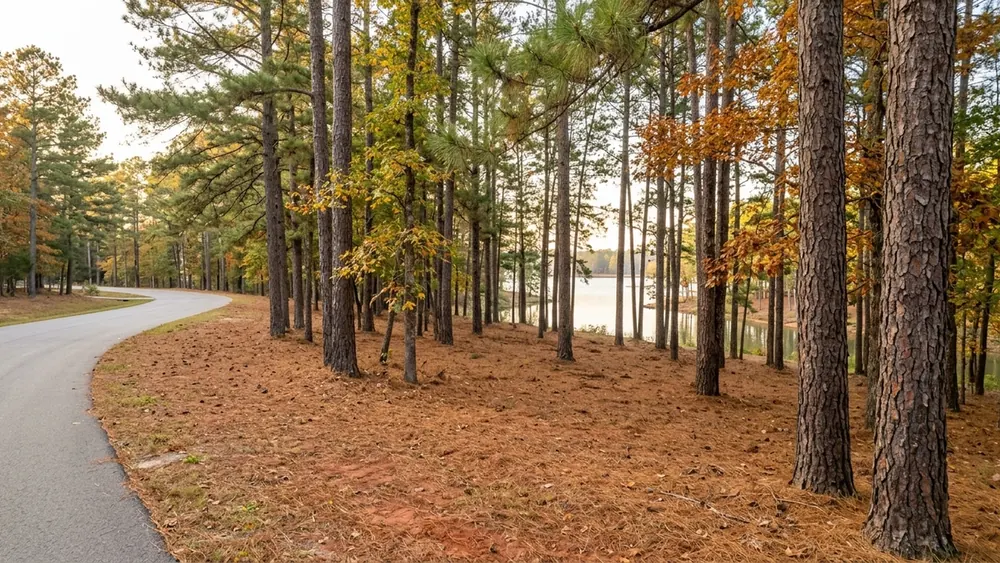
Cape Royale is a gated lake community in Coldspring, on the San Jacinto County side of Lake Livingston. Listings there describe amenities such as the marina, pool, tennis and pickleball courts, and gated entry. Those are facts to confirm with the community for the lot you want, not promises attached to every parcel. This article walks through the questions in the order that usually makes sense, and names who answers each one.
Start with fees and community rules
Maintenance fees in Cape Royale are set lot by lot, so the figure on one listing does not tell you the figure on another. Ask the community or property owners association for the current fee on the exact lot, and ask for the rules that come with it. Read both together, side by side. A fee only makes sense once you know what it covers and what the rules ask of you in return.
- The current maintenance fee for the specific lot, confirmed with the community in writing
- What the fee covers, including access to the marina, pool, and courts
- The community rules that apply to the lot, including any building requirements
- Whether any fees or balances are owed on the lot before closing
Questions about water, power, and service
Listings in Cape Royale name the Cape Royale Utility District for water and Sam Houston Electric for electricity. That is a starting point, not an answer for your lot. If you plan to build, service availability and connection are among the most important things to confirm, and only the providers can confirm them. Rates, taxes, and connection costs come from those offices, so ask them directly and write down what they tell you, along with the name of the person you spoke with.
- Whether water service is available to the specific lot, asked of the Cape Royale Utility District
- What connecting water to the lot would involve, and who handles that step
- Whether electric service reaches the lot, asked of Sam Houston Electric
- What a connection to electric service would involve for a new home on that lot
- Who to call later if a service question comes up after you own the lot
Flood zone and county, checked lot by lot
Every lot has a flood zone designation on the official flood map, and you should look it up for the lot you want rather than assume it matches the lot next door. A designation can affect building, insurance, and financing. Take what you find to an insurance agent and to your lender, and ask the county about building. Those are the people whose answers count for your plans.
The county matters too. Cape Royale sits in San Jacinto County, and the county appraisal district record shows which county and which appraisal district apply to a parcel. It is worth confirming on the record itself instead of relying on a mailing address, especially if you are comparing a Cape Royale lot with land elsewhere, such as a Huntsville address that could sit in San Jacinto County or in Walker County.
A surveyor is the person to ask about the boundaries of the lot itself. A listing may give a general description, but the lines on the ground are a separate question. If you are thinking about buying the lot next door as well, ask about each parcel on its own: its fee, its service, its flood designation, and its county record. Lots bought together can still carry separate sets of answers, and it is easier to sort them out before closing than after.
How to compare lots side by side
Once you have answers for one lot, compare others on the same list. Write the fee, what it covers, the rules that matter to you, the service answers, the flood designation, and the county for each parcel in one place. A side by side page makes differences obvious that are easy to miss when you look at lots one at a time. It also shows you which questions are still open, so you know exactly which office to call next.
Be even-handed about it. A smaller lot deserves the same questions as a larger one, and a lower price is not a verdict on a lot either way. It usually means something about that lot is different, and your job is to find out what. Jean has represented buyers in Cape Royale and in Point Blank, and has current listings of lots, acreage, and homes in Cape Royale and the Huntsville area.
Ask about the exact lot, not the community in general. Fees, service, and flood zone can all change from one lot to the next, so I start every lot with the same list.
Assumptions that cause surprises later
The most common surprise comes from assuming. People assume the fee is the same across the community, that service is already in place because a neighbor has it, or that the flood designation matches the lot across the street. Each of those can be true, and each can be wrong. The fix is simple: ask the responsible source about the exact lot, keep the answer in writing, and note who gave it to you and when.
Another assumption is that buying now and building later means the questions can wait. They cannot, because the answers shape what you can do with the lot when the time comes. Ask about community building rules, service connection, and the flood designation before you buy, not after. If your plans are a long way off, write down the answers anyway and check again when you are ready, since rules and fees change.
What to gather before your first conversation
Before you talk with anyone about a specific lot, gather what you already know. Write down the lot you are looking at, what you hope to do with it, and roughly when. Note any fee figure, rule summary, or service answer you have already received, and who gave it to you. That short page saves time, because it shows which questions are answered and which still need a call.
Then think about what would change your mind. Maybe a higher fee is fine if the amenities matter to you, or maybe open land outside a community fits your plans more closely. Knowing your priorities makes each answer easier to weigh. Bring the list to a surveyor, an insurance agent, or a lender as each question comes up, and keep their answers with the rest of your notes so the whole picture for that lot sits in one place.
If you would like help sorting out which questions apply to the lot in front of you, bring that lot to Jean. You do not need to have every answer first, and there is no pressure to decide anything in that conversation. Start with the question that feels least clear to you, whether it is about fees, service, the flood map, or the county. Which lot in Cape Royale are you looking at, and what do you most want to find out about it?
This article is general information about buying, selling, and renting property around Coldspring, Cape Royale, and Lake Livingston, Texas. It is not legal, tax, lending, insurance, valuation or inspection advice and does not predict prices, rents or results. Confirm fees and rules with the community, service with each utility provider, flood zones with the official flood map and the county, county records with the appraisal district, lease terms in the lease, and financing with a lender. Jean Summers, RA Brokers.
Written by