Leasing
Should I rent out my lake house or sell it?
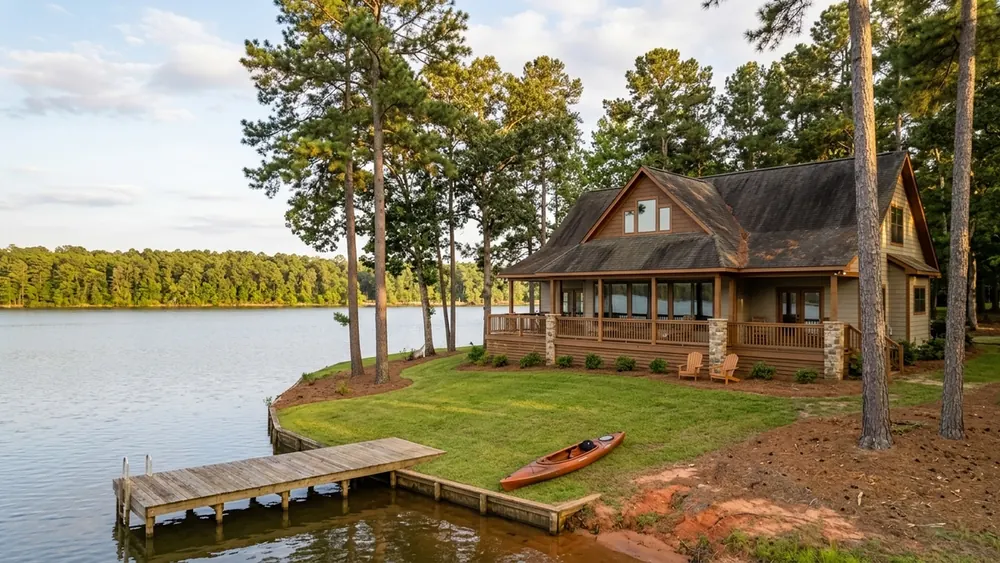
It depends on your plans for the house, the community rules on leasing, and how much upkeep you want to take on. Sort out those questions with the community, a real estate attorney and your other advisors before choosing either path.
On this page
The answer starts with your own plans
There is no single right answer to whether you should rent out your lake house or sell it. The answer depends on three things: what you want from the house over the next few years, what the community allows, and how much upkeep and responsibility you are ready to carry as a landlord. Sort those out first and the choice usually gets much clearer. Neither path is the default, and each one deserves the same careful look.
This matters around Lake Livingston because a lake house rarely stands alone. A home in a gated community like Cape Royale comes with maintenance fees, community rules and utility accounts, while a home outside a community has its own set of questions. Either way, leasing and selling each bring obligations that are easy to underestimate. That is especially true when you only compare the two options in general terms.
This guide does not predict rents, values or sale results, and nobody can promise you either outcome. What it can do is give you the questions that decide the choice, in a sensible order, and point you to the people who answer each one. That way your decision rests on confirmed answers instead of guesses. It also helps you avoid committing to a path before the community and your advisors have weighed in.
Start with what you want from the house
Begin with your own plans, not with the market. Are you hoping to use the house again someday, or are you ready to let it go? A home you expect to return to may point toward leasing for a while, while a home you no longer want to manage may point toward selling. Be honest about which describes you, because the rest of the decision builds on that answer.
Next, think about time and distance. Owning a rented lake house means someone has to respond when a repair comes up, coordinate access through the gate if there is one, and keep track of the lease. If you live a long drive from the lake, ask yourself who will handle that and how you will stay informed. The answer shapes everything else.
Finally, look at your finances with the right people. A lender can explain how renting the house fits with any loan on it, and a qualified professional can talk through taxes on a rented home. Those answers vary from one owner to the next, so get them for your own situation before you lean either way. Ask each one the same question in plain terms: what changes for me if I rent this house instead of selling it?
Questions only the community can answer
If your lake house sits inside a community, the community rules may say a lot about leasing. Some communities have rules on whether homes can be rented, how renters register, and what tenants can use. Ask the community, in general terms the property owners association, for the current written rules before you make plans around a lease. Rules change, so ask for the date of the version you receive and check again before you list.
Ask how amenity access works for tenants. In Cape Royale, listings name amenities such as the marina, pool, tennis and pickleball courts and gated entry. Find out whether a renter can use them, how access is arranged, and whether anything is limited for tenants. A future renter will ask you these same questions, so it helps to have clear answers ready.
Ask about the maintenance fees too. Fees in Cape Royale are set lot by lot, so get the current figure for your exact property from the community. Then decide whether the fees stay with you as the owner or are addressed in the lease. Rules and fees change over time, so confirm them again close to the date you list.
What leasing asks of an owner
Leasing a lake home is a responsibility, not a passive choice. Before you list a home for lease, decide what is included, who handles upkeep and repairs, and how a tenant reaches you. Writing those answers down early makes the lease clearer and helps a renter know what to expect from the start. It also gives you a way to measure whether leasing really fits the time and attention you can offer.
- Decide what comes with the home, such as furniture, yard care, or shared amenity access for a tenant
- Plan who will handle repairs, how a tenant reports a problem, and how quickly someone can respond
- Settle which utility accounts stay in your name and which move to the tenant
- Ask an insurance agent how coverage changes when the home is rented
These details belong in the actual lease, and a real estate attorney can review the lease with you before anyone signs. Lease terms vary, and a general article cannot tell you what yours should say. Treat each item above as a question to settle in writing rather than a promise made in conversation. Keep a copy of every signed document with your other records for the house.
Comparing the two paths side by side
Laying the two paths next to each other can help. The table below is not a verdict: it lists questions that apply whether you rent or sell, why each matters, and who gives the confirmed answer. Use it to build your own list before a first conversation. Add rows of your own as new questions come up, and note who answered each one and when.
| Question | Why it matters | Who to ask |
|---|---|---|
| Do community rules allow leasing? | A lease plan may not work without it | The community, in writing |
| What are the current fees for this lot? | Who pays them should be clear before any lease | The community |
| How does a rental affect my coverage? | Coverage needs can change when a home is rented | An insurance agent |
| What should my lease say? | The lease sets duties for owner and tenant | A real estate attorney |
| Which county records list my home? | Records and offices depend on the county | The county appraisal district |
Notice that most of these questions apply to selling too. A buyer will ask about fees, rules and county records just as a renter will. Gathering the answers now helps either way, and it keeps you from choosing a path before you know what the community and your advisors will say. It also means the answers are ready if you change your mind later and decide to take the other path.
Professionals who answer the harder parts
Some parts of this decision belong to professionals, not to an agent. A real estate attorney can answer lease questions and review the document, and an insurance agent can explain coverage for a rented home. A lender can tell you how renting fits any loan. The county appraisal district can confirm which county your home sits in, which matters for a Huntsville address that may fall in San Jacinto County or Walker County.
Jean can help with the real estate side: what the community rules say about leasing, what a buyer in your area is likely to ask, and which questions to take to whom. Write down who answered each question and when, so you can tell which answers are current and which ones need checking again. That record also helps if you later switch from leasing to selling, or the other way around.
What to gather before you decide
Before a first conversation, collect what you already have. You do not need every answer, only a clear picture of what you know and what is still open. A short folder of documents and notes turns a general question into a specific one about your house. Keep it all in one place, so it is easy to bring to each conversation and to update as answers come in.
- A copy of the current community rules and any leasing rules in writing
- The latest maintenance fee figure for your exact lot from the community
- Your utility accounts, such as Cape Royale Utility District and Sam Houston Electric
- A short note on your plans for the house over the next few years
With that in hand, you can weigh both paths on confirmed answers instead of guesses. When you are ready, bring your list to Jean, a real estate agent with RA Brokers based in Coldspring, and talk through which questions apply to your home first. What would help you most right now, the leasing questions or the selling ones?
This article is general information about buying, selling, and renting property around Coldspring, Cape Royale, and Lake Livingston, Texas. It is not legal, tax, lending, insurance, valuation or inspection advice and does not predict prices, rents or results. Confirm fees and rules with the community, service with each utility provider, flood zones with the official flood map and the county, county records with the appraisal district, lease terms in the lease, and financing with a lender. Jean Summers, RA Brokers.

Written by